Look What You Made Me Do Discussion Questions
Please be aware that this discussion guide will contain spoilers!
1. “A private language is only part of what a long marriage involves. A marriage has a body of mythology and folklore and anecdote and codes; it is its own world, its own ecology, its own system of beliefs and values” (p. 3). How does Kate’s appreciation for the interiority of a marriage influence her actions and reactions later in the novel?
2. How did Jack’s death so early in the novel make you feel? How do you think things would have unfolded if Jack had still been alive when Cheaters aired?
3. Did Lanchester’s portrait of grief ring true to you? Do you think grief is an understandable reason to commit transgressive acts?
4. There are several moments when Kate wonders to herself, If I hadn’t done that, then this would never have happened. Those moments of life branching in one direction or another can be so much more obvious in fiction, but are there any moments you can look back on and see two distinct paths your own life may have taken?
5. Why do you think Lanchester chose to write both Phoebe and Kate’s chapters in the first-person? How did this work for you as a reader?
6. Part of the appeal of the fictional show Cheaters is its “amoral” characters. Do you think that is part of the joy of this novel as well? Did you find any of these characters sympathetic? What are the rewards of reading fiction about people behaving badly?
7. How would you categorize this novel: black comedy, social satire, revenge novel, or psychological thriller?
8. What did you think about the “three basic types” of mothers Phoebe and her friends had? Do you think there is such a thing as “generational narcissism” (p. 56), and is anyone immune?
9. “I have wrestled for years with the idea of cutting off from my mother, and the thing that has kept me back from doing it is the thought that I don’t want to seem like a bad person” (p. 68). Phoebe struggles against doing what she wants because she doesn’t want to look bad. How is this a shared concern of Kate’s as well? How else are they alike?
10. There can often be a conflict between our public and private selves. How does that tension fuel the events of this novel?
11. Do you think Jack really was Phoebe and Tristan’s father?
12. What did you make of the repeated refrain of “never never never never never” from King Lear (p. 94)?
13. Kate is completely shaken by Phoebe’s actions, but in reality, no one else recognizes the facts of her marriage in Cheaters. Does it matter if an artist or writer “steals” from your life but no one in the public realizes it? Is that a true transgression?
14. Lanchester has a keen talent for capturing generational tension. Who do you think comes across worse in this book, boomers or millennials? How do you see this friction play out in real life?
15. What did you think about the ending? Does anyone in this book get what they deserve?
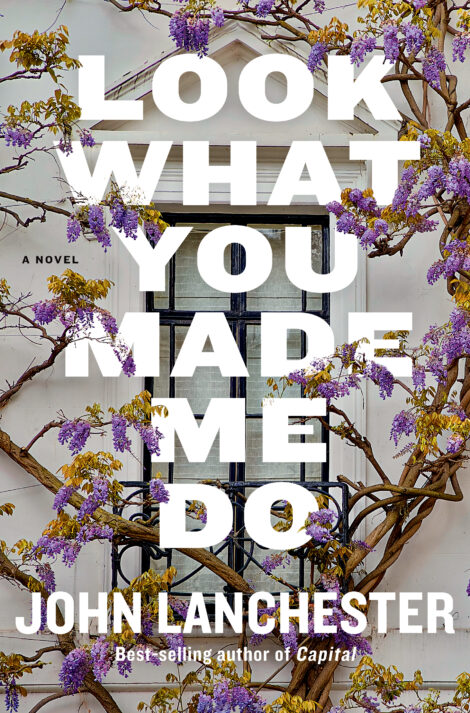

 John Lanchester is the author of five novels, including the best-selling The Debt to Pleasure and Capital. His books have won the Hawthornden Prize, the Whitbread First Novel Award, and the E. M. Forster Award, have been longlisted for the Booker Prize, and have been translated into more than twenty-five languages. He is a regular contributor to The New Yorker and The New York Review of Books. He lives in London.