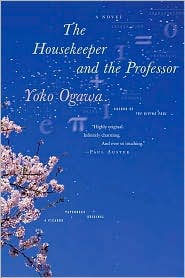
In The Housekeeper and the Professor, Yoko Ogawa tells an intimate story about family, the nature of memory, and the poetry of mathematics. It is also, in a sense, a story about the simple experience of getting to know someone, but with a twist: the person forgets everything in eighty minutes. How do you form a relationship with a person who cannot remember? In this uplifting and often poignant novel, Ogawa seems to ask whether our immediate experiences are more important than our memories, since memories inevitably fade, and the eponymous Professor’s condition of limited short-term memory allows the author to explore this question with great creativity.
read more
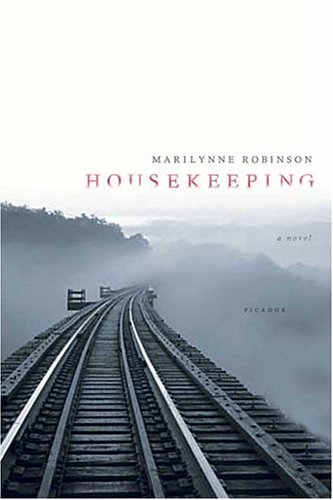
Housekeeping is the story of Ruth and her younger sister, Lucille, who grow up haphazardly, first under the care of their competent grandmother, then of two comically bumbling great-aunts, and finally of Sylvie, the eccentric and remote sister of their dead mother. The family house is in the small town of Fingerbone on a glacial lake in the Far West, the same lake where their grandfather died in a spectacular train wreck and their mother drove off a cliff to her death. Ruth and Lucille’s struggle toward adulthood beautifully illuminates the price of loss and survival, and the dangerous and deep undertow of transience.
read more
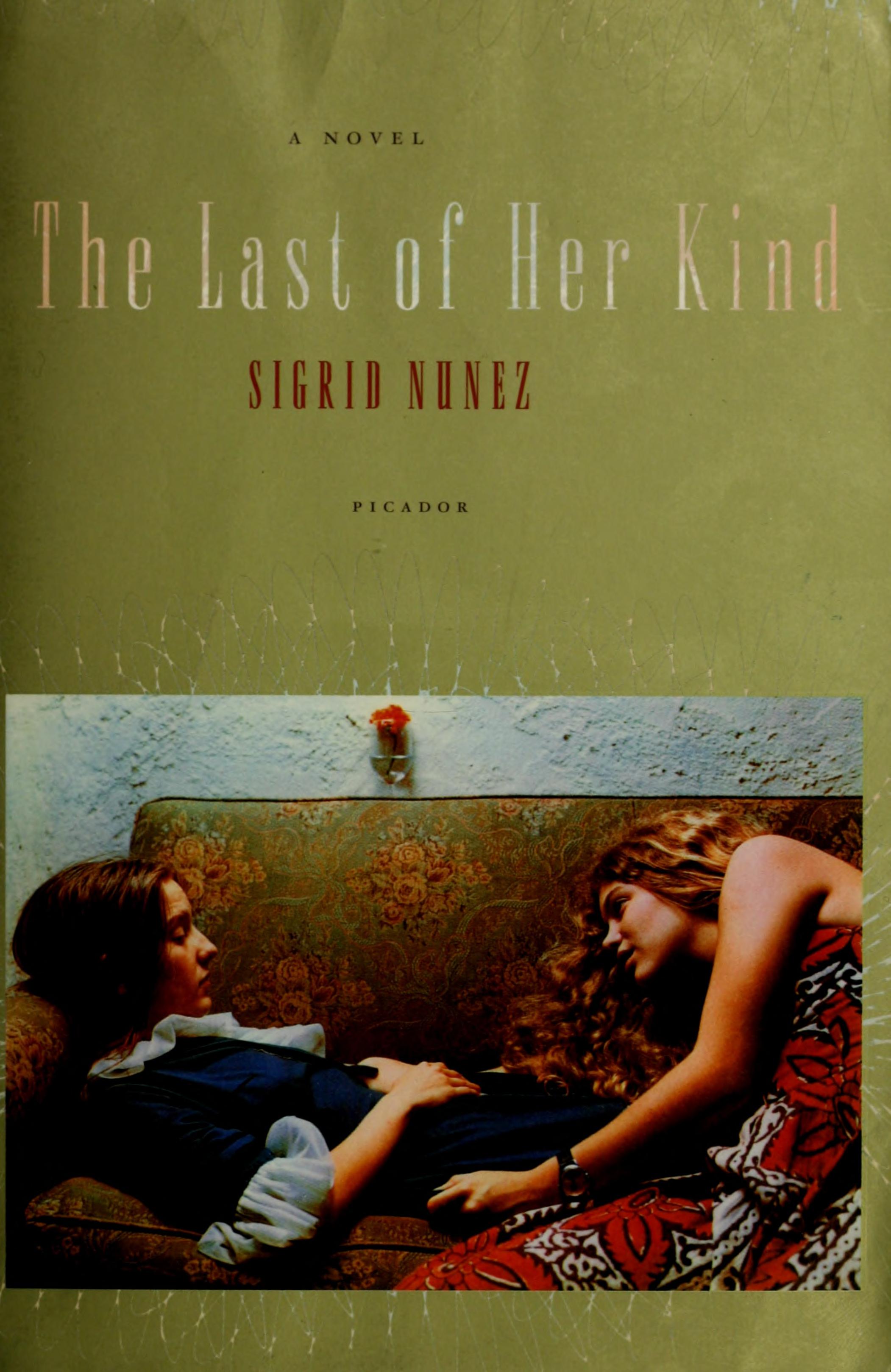
Ann Drayton and Georgette George meet as freshmen roommates at Barnard College in 1968. Ann, who comes from a wealthy New England family, is brilliant and idealistic. Georgette, who comes from a bleak town in upstate New York, is mystified by Ann’s romanticization of the underprivileged class, which Georgette herself is hoping college will enable her to escape. An intense and difficult friendship is born.
Years after a fight ends their friendship, Ann is convicted of a violent crime. As Georgette struggles to understand what has happened, she is led back to their shared history and to an examination of the revolutionary era in which the two women came of age.
read more
What part of our selves do we hide away in order to have a stable, prosperous life?
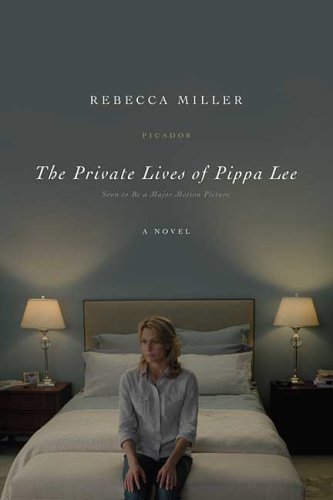
Pippa Lee has just such a life in place at age fifty, when her older husband, a retired publisher, decides that they should move to a retirement community outside New York City. Pippa is suddenly deprived of the stimulation and distraction that had held everything in place. She begins losing track of her own mind; her foundations start to shudder, and gradually we learn the truth of the young life that led her finally to settle down in marriage–years of neglect and rebellion,
read more
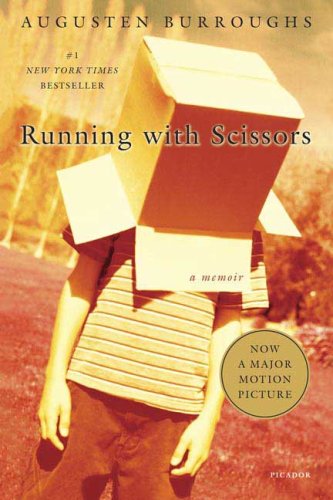
Running with Scissors is the true story of a boy whose mother (a poet with delusions of Anne Sexton) gave him away to be raised by her unorthodox psychiatrist who bore a striking resemblance to Santa Claus. So at the age of twelve, Burroughs found himself amidst Victorian squalor living with the doctor’s bizarre family, and befriending a pedophile who resided in the backyard shed. The story of an outlaw childhood where rules were unheard of, and the Christmas tree stayed up all year round, where Valium was consumed like candy, and if things got dull an electroshock- therapy machine could provide entertainment.
read more
Hortense Joseph arrives in London from Jamaica in 1948 with her life in her suitcase, her heart broken, her resolve intact. Her husband, Gilbert Joseph, returns from the war expecting to be received as a hero, but finds his status as a black man in Britain to be second class. His white landlady, Queenie, raised as a farmer’s daughter, befriends Gilbert, and later Hortense, with innocence and courage, until the unexpected arrival of her husband, Bernard, who returns from combat with issues of his own to resolve.
Told in these four voices, Small Island is a courageous novel of tender emotion and sparkling wit,
read more