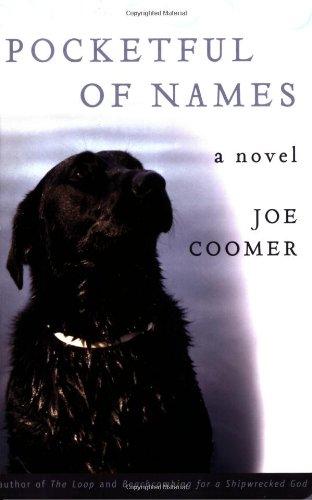
Inhabiting an island off the coast of Maine, left to her by her great-uncle Arno, Hannah finds her life as a dedicated and solitary artist rudely interrupted one summer when a dog, matted with feathers and seaweed, arrives with the tide. The dog quickly endears himself to her and easily adapts to Hannah’s schedule, but he is only the first of a series of unexpected visitors. He is soon followed by a teenager running from an abusive father, a half sister in trouble, a mainland family in need, and a trapped whale. Now in the midst of a community that depends on her for support and love,
read more
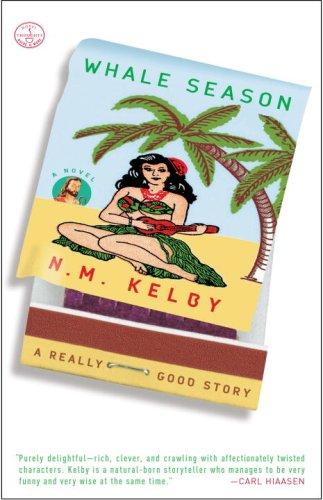
Whale Season is a literary murder mystery in the tradition of Tom Robbins, about the quintessentially weird heart of Florida where sunburn is the only thing you can be sure of. Set in Whale Harbor, a town that has no whales, it is the story of Leon Pettit, an RV Salesman who once loved a one-ton alligator, but has a lot of trouble with non lizard-like women. One Christmas Eve, Leon is visited by a man who thinks he’s Jesus and claims to be looking for a game of poker. But, as usual, things are not quite what they seem.
read more
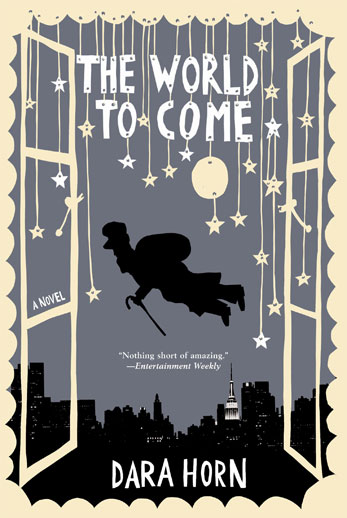
A million-dollar painting by Marc Chagall is stolen from a museum. The unlikely thief is Benjamin Ziskind, a thirty-year-old quiz-show writer. As Benjamin and his twin sister try to evade the police, they find themselves recalling their dead parents—the father who lost a leg in Vietnam, the mother who created children’s books—and their stories about trust, loss, and betrayal.
What is true, what is fake, what does it mean? Eighty years before the theft, these questions haunted Chagall and the enigmatic Yiddish fabulist Der Nister (“The Hidden One”), teachers at a school for Jewish orphans. Both the painting and the questions will travel through time to shape the Ziskinds’
read more
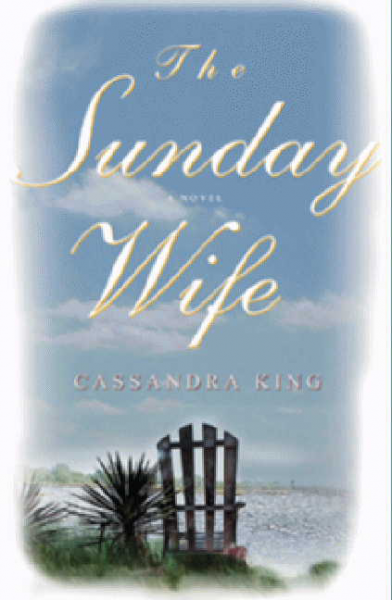
Married for 20 years to the Reverend Benjamin Lynch, a handsome, ambitious minister of the prestigious Methodist church, Dean Lynch has never quite adjusted her temperament to the demands of the role of a Sunday wife. When her husband is assigned to a larger and more demanding community in the Florida panhandle, Dean becomes fast friends with Augusta Holderfield, a woman whose good looks and extravagant habits immediately entrance her. As their friendship evolves, Augusta challenges Dean to break free from her traditional role as the preacher’s wife. Just as Dean is questioning everything she has always valued, a tragedy occurs,
read more
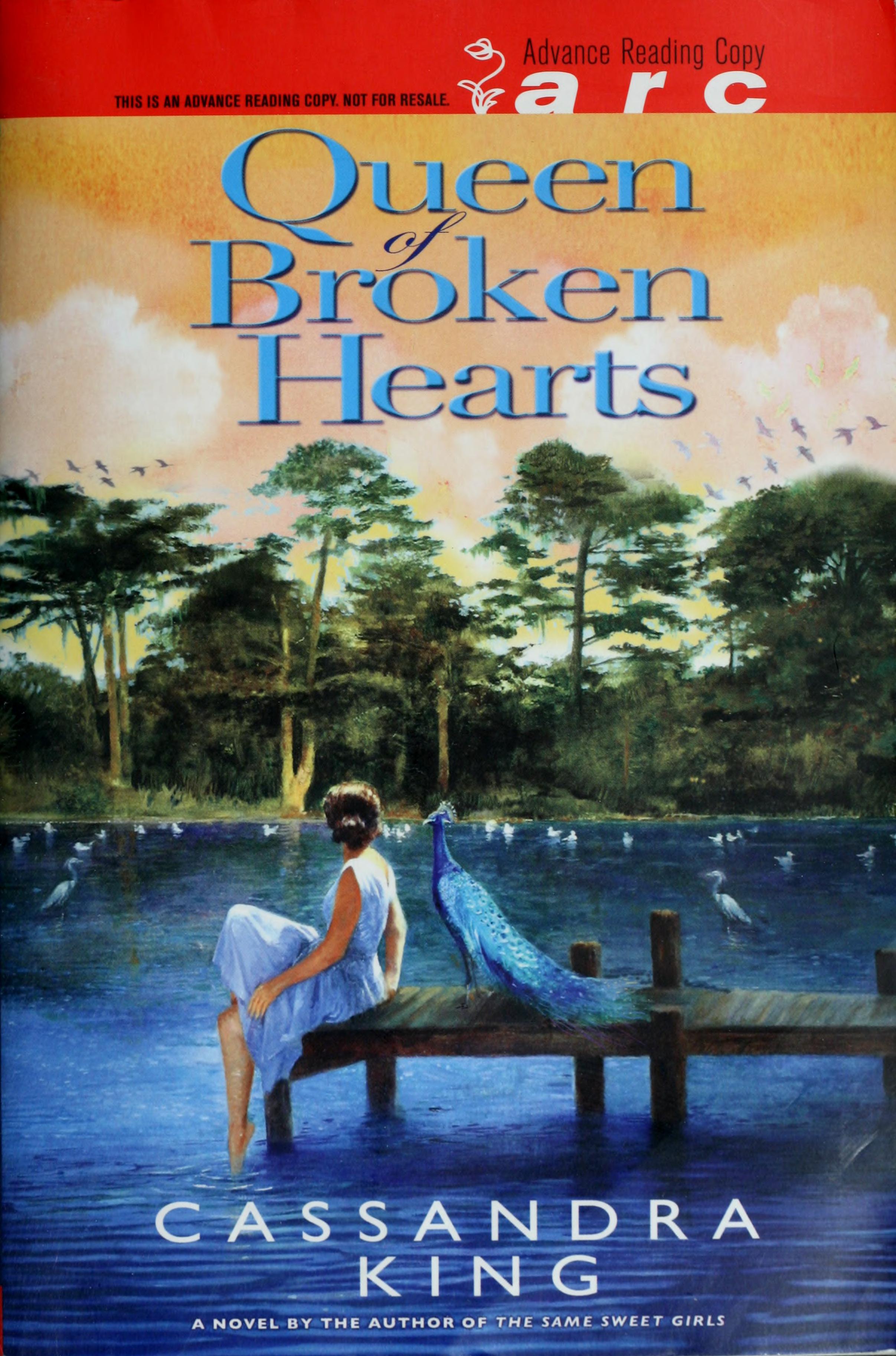
It’s not easy being the Queen of Broken Hearts. Just ask Clare, who has willingly assumed the mantle while her career as a divorce coach thrives. Now she’s preparing to open a permanent home for the retreats she leads, on a slice of breathtaking property on the Alabama coast owned by her mother-in-law. Make that former mother-in-law, a colorful eccentric who teaches Clare much about love and sacrifice and living freely. When Clare’s marriage ends in tragedy, her work becomes the sole focus of her life. While Clare has no problem helping the hundreds of men and women who seek her advice to mend their broken hearts,
read more
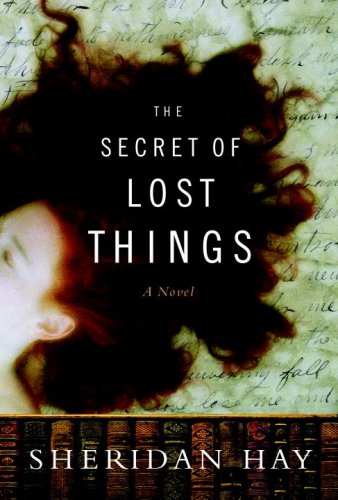
In this charming novel about the eccentricities and passions of booksellers and collectors, a captivating young Australian woman takes a job at a vast, chaotic emporium of used and rare books in New York City and finds herself caught up in the search for a lost Melville manuscript.
Eighteen years old and completely alone, Rosemary arrives in New York from Tasmania with little more than her love of books and an eagerness to explore the city she’s read so much about. She begins her memorable search for independence with appealing enthusiasm, and the moment she steps into the Arcade bookstore,
read more