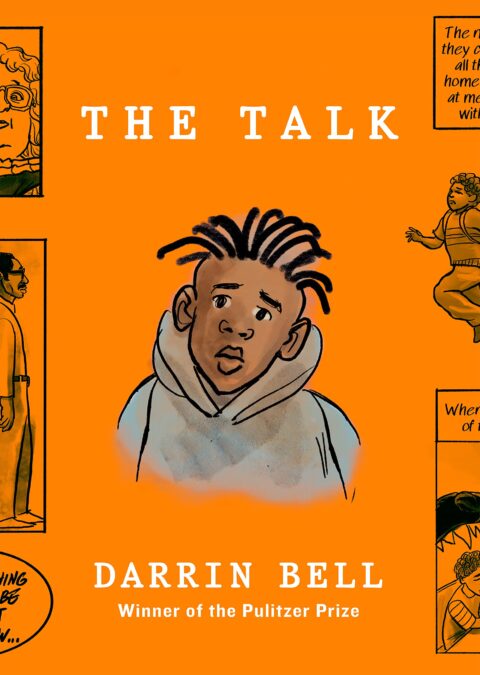
Darrin Bell was six years old when his mother told him he couldn’t have a realistic water gun. She said she feared for his safety, that police tend to think of little Black boys as older and less innocent than they really are.
Through evocative illustrations and sharp humor, Bell examines how The Talk shaped intimate and public moments from childhood to adulthood. While coming of age in Los Angeles—and finding a voice through cartooning—Bell becomes painfully aware of being regarded as dangerous by white teachers, neighbors, and police officers and thus of his mortality. Drawing attention to the brutal murders of African Americans and showcasing revealing insights and cartoons along the way,
read more
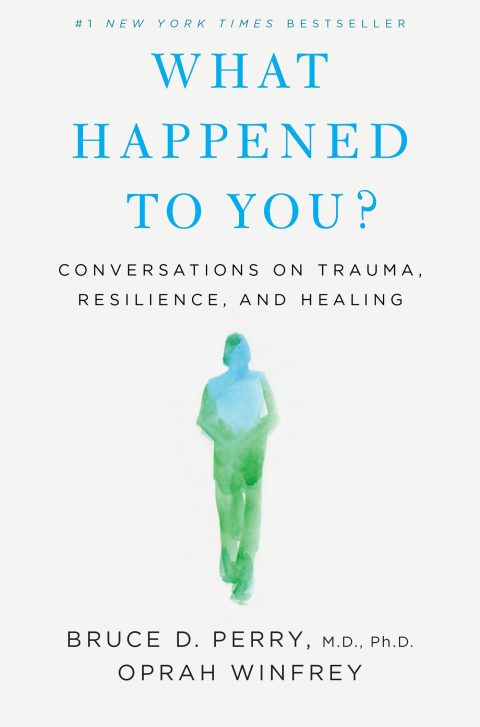
Our earliest experiences shape our lives far down the road, and What Happened to You? provides powerful scientific and emotional insights into the behavioral patterns so many of us struggle to understand.
“Through this lens we can build a renewed sense of personal self-worth and ultimately recalibrate our responses to circumstances, situations, and relationships. It is, in other words, the key to reshaping our very lives.”—Oprah Winfrey
This book is going to change the way you see your life.
Have you ever wondered “Why did I do that?” or “Why can’t I just control my behavior?”
read more
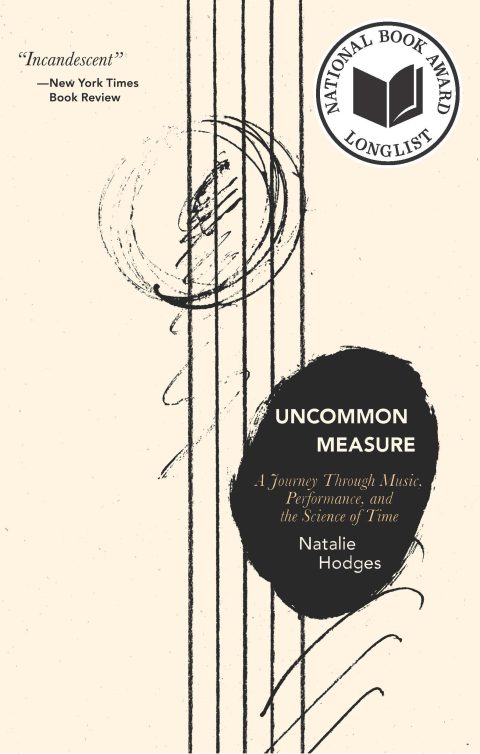
A virtuosic debut from a gifted violinist searching for a new mode of artistic becoming
How does time shape consciousness and consciousness, time? Do we live in time, or does time live in us? And how does music, with its patterns of rhythm and harmony, inform our experience of time?
Uncommon Measure explores these questions from the perspective of a young Korean American who dedicated herself to perfecting her art until performance anxiety forced her to give up the dream of becoming a concert solo violinist. Anchoring her story in illuminating research in neuroscience and quantum physics,
read more
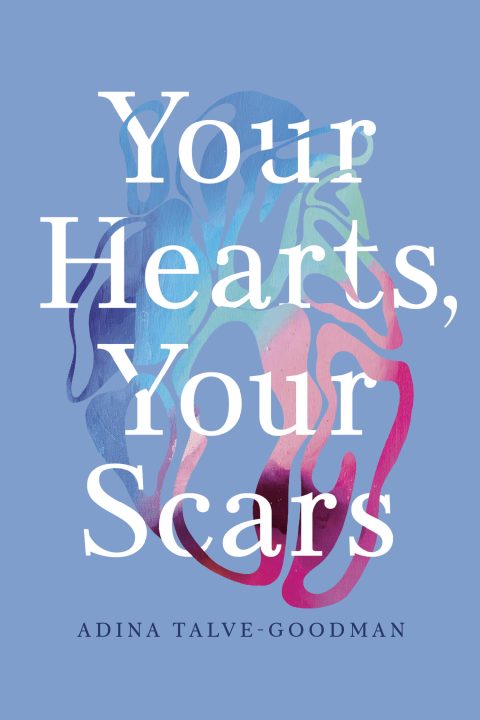
Engaging, funny, and unflinching essays about coming of age as a transplant patient and living each day as a gift
Adina Talve-Goodman was born with a congenital heart condition and survived multiple operations over the course of her childhood, including a heart transplant at age nineteen. In these seven essays, she tells the story of her chronic illness and her youthful search for love and meaning, never forgetting that her adult life is tied to the loss of another person—the donor of her transplanted heart.
Whether writing about the experience of taking her old heart home from the hospital (and passing it around the Thanksgiving table),
read more
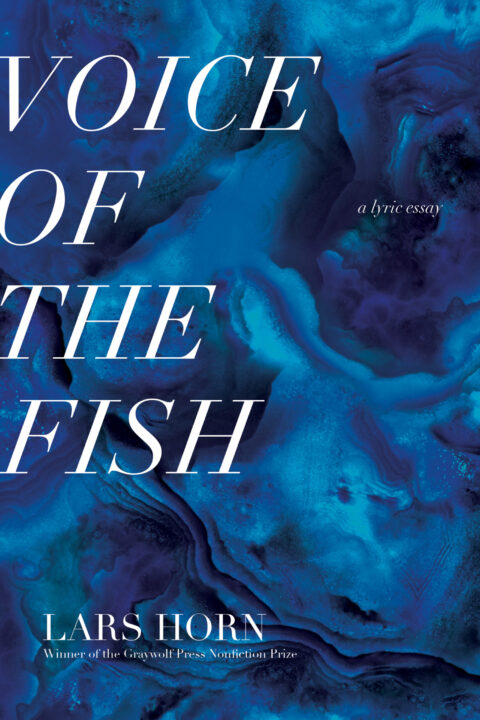
Lars Horn’s Voice of the Fish, the latest Graywolf Press Nonfiction Prize winner, is an interwoven essay collection that explores the trans experience through themes of water, fish, and mythology, set against the backdrop of travels in Russia and a debilitating back injury that left Horn temporarily unable to speak. In Horn’s adept hands, the collection takes shape as a unified book: short vignettes about fish, reliquaries, and antiquities serve as interludes between longer essays, knitting together a sinuous, wave-like form that flows across the book.
Horn swims through a range of subjects, roving across marine history,
read more
The harrowing yet ultimately inspiring memoir of the young educator and activist who has become the face of women’s rights in Afghanistan.
From growing up in a refugee camp to becoming an Amnesty International Global Youth Ambassador and Malala Fund Education Champion who’s ruthlessly targeted by the Taliban, Pashtana Durrani shares the deeply inspiring true story of her unyielding fight to provide educational materials to the disappearing girls of rural Afghanistan.
Since childhood, Pashtana Durrani has recognized her calling: to educate Afghanistan’s girls and young women. In a country devastated by war and violence,
read more