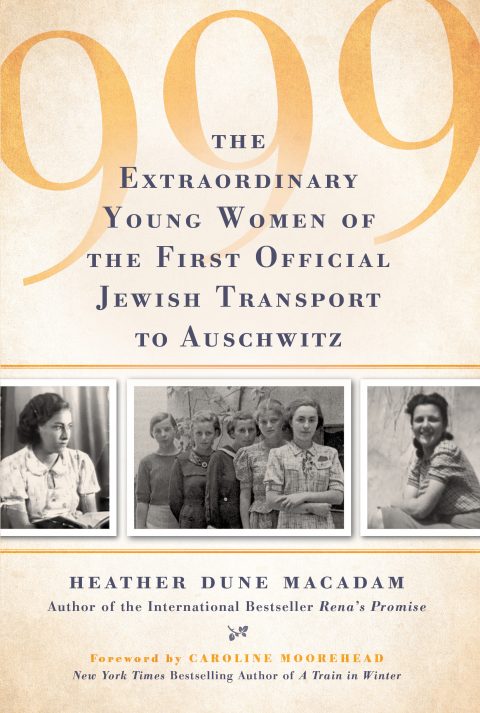
From Heather Dune Macadam, the untold story of the 999 young, unmarried Jewish women who were tricked on March 25, 1942 into boarding the train that became the first official transport to Auschwitz. Timed to coincide with the 75th anniversary of the liberation of Auschwitz and drawing on extensive interviews with survivors, historians, witnesses, and relatives of those first deportees, 999 is an important addition to Holocaust literature and women’s history.
On March 25, 1942, nearly a thousand young, unmarried Jewish women boarded a train in Poprad, Slovakia. Believing they were going to work in a factory for a few months,
read more
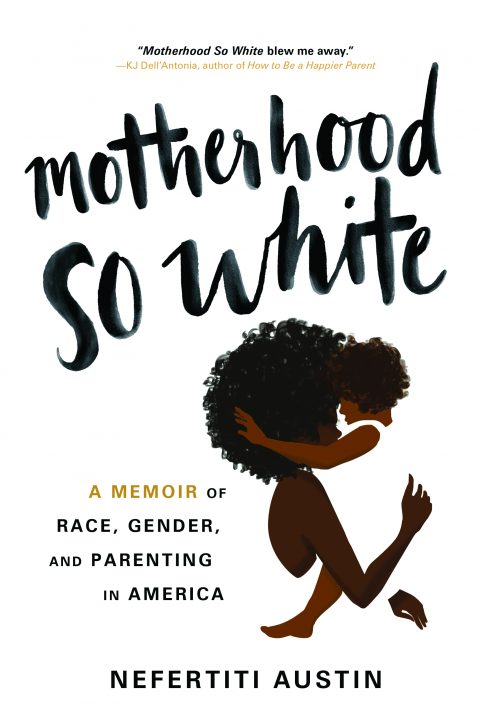
When Nefertiti Austin, a single African American woman, decided she wanted to adopt a Black baby boy out of the foster-care system, she was unprepared for the fact that there is no place for Black women in the “mommy wars.” Austin set off on her path without the ability to seek guidance from others who looked like her or shared her experience. She soon realized that she would not only have to navigate skepticism from the adoption community, who deal almost exclusively with white women, but surprisingly, from her own family and friends as well.
Motherhood So White is the story of Nefertiti’s fight to create the family she always knew she was meant to have and the story of motherhood that all American families need now.
read more
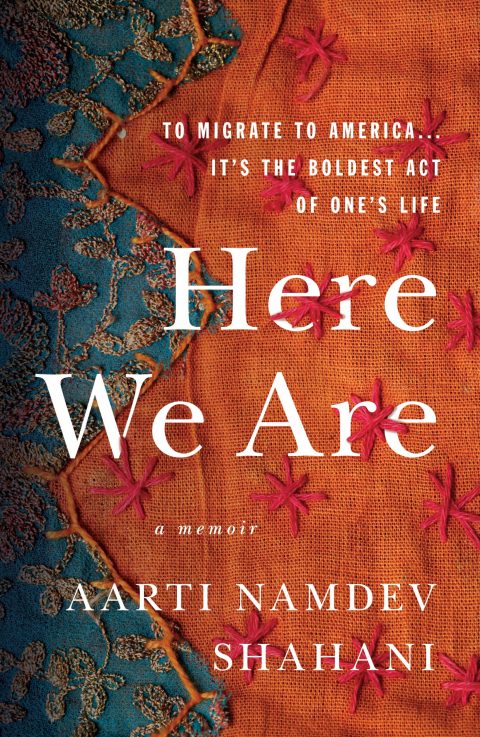
A heartfelt memoir about the immigrant experience from NPR correspondent Aarti Shahani, Here We Are: American Dreams, American Nightmares follows the lives of Aarti, the precocious scholarship kid at one of Manhattan’s most elite prep schools, and her dad, the shopkeeper who mistakenly sells watches and calculators to the notorious Cali drug cartel. Together, the two represent the extremes that coexist in our country, even within a single family, and a truth about immigrants that gets lost in the headlines. It isn’t a matter of good or evil; it’s complicated. Here We Are is a coming-of-age story,
read more
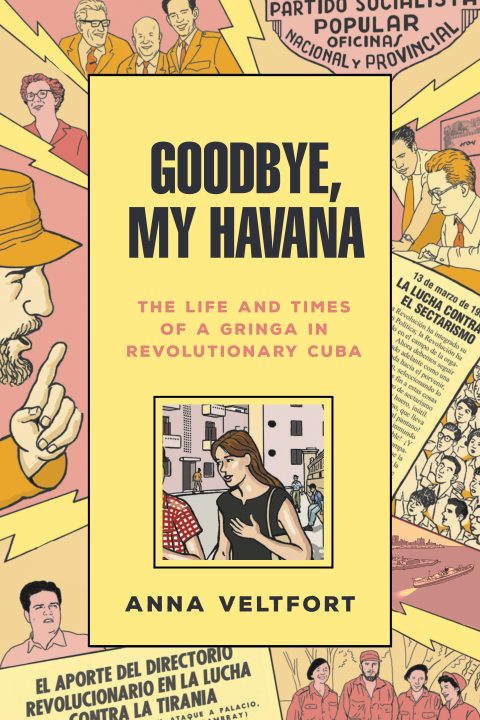
Set against a backdrop of world-changing events during the headiest years of the Cuban Revolution, Goodbye, My Havana follows Anna Veltfort’s young alter ego Connie as her once relatively privileged life among a community of anti-imperialist expatriates turns to progressive disillusionment and heartbreak. The consolidation of Castro’s position brings violence, cruelty, and betrayal to Connie’s doorstep. And the crackdown that ultimately forces her family and others to flee for their lives includes homosexuals among its targets—Connie’s coming-of-age story is one also about the dangers of coming out. Looking back with a mixture of hardheaded clarity and tenderness at her alter ego and a forgotten era,
read more
In this fascinating look at the race to secure the global food supply, environmental journalist and professor Amanda Little tells the defining story of the sustainable food revolution as she weaves together stories from the world’s most creative and controversial innovators on the front lines of food science, agriculture, and climate change.
Climate models show that global crop production will decline every decade for the rest of this century due to drought, heat, and flooding. Water supplies are in jeopardy. Meanwhile, the world’s population is expected to grow another 30 percent by midcentury. So how, really, will we feed nine billion people sustainably in the coming decades?
read more
Prize-winning biographer Leo Damrosch tells the story of “the Club,” a group of extraordinary writers, artists, and thinkers who gathered weekly at a London tavern.
In 1763, the painter Joshua Reynolds proposed to his friend Samuel Johnson that they invite a few friends to join them every Friday at the Turk’s Head Tavern in London to dine, drink, and talk until midnight. Eventually the group came to include among its members Edmund Burke, Adam Smith, Edward Gibbon, and James Boswell. It was known simply as “the Club.”
In this captivating book, Leo Damrosch brings alive a brilliant,
read more