Growing up and living in Kibera, Kenya, Abdul Kassim was well aware of the disproportionate number of challenges faced by women due to the extreme gender inequalities that persist in the slums. After being raised by his aunts, mother, and grandmother and having a daughter himself, he felt that he needed to make a difference.
In 2002, Abdul started a soccer team for girls called Girls Soccer in Kibera (GSK), with the hope of fostering a supportive community and providing emotional and mental support for the young women in the town. The soccer program was a success, but the looming dangers of slum life persisted,
read more
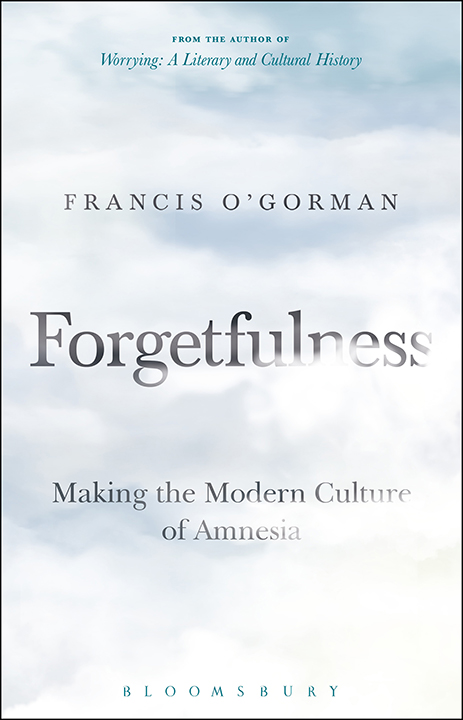
Forgetfulness is a book about modern culture and its profound rejection of the past. It traces the emergence in recent history of the idea that what is important in human life and work is what will happen in the future.
Francis O’Gorman shows how capitalism embraced forgetting as a requirement for modern existence and how modern education, as well as life with fast-moving technology, further disconnect us from our pasts. But he also examines the cultural narratives and contemporary preoccupations that are against the grain of our collective amnesia. O’Gorman argues that such narratives, in rich but oblique ways,
read more
As firsthand survivors of many of the twentieth century’s most monumental events—the Holocaust, Hiroshima, the Killing Fields—begin to pass away, Survivor Café addresses urgent questions: How do we carry those stories forward? How do we collectively ensure that the horrors of the past are not forgotten?
Elizabeth Rosner organizes her book around three trips with her father to Buchenwald concentration camp—in 1983, in 1995, and in 2015—each journey an experience in which personal history confronts both commemoration and memorialization. She explores the echoes of similar legacies among descendants of African American slaves, descendants of Cambodian survivors of the Killing Fields,
read more
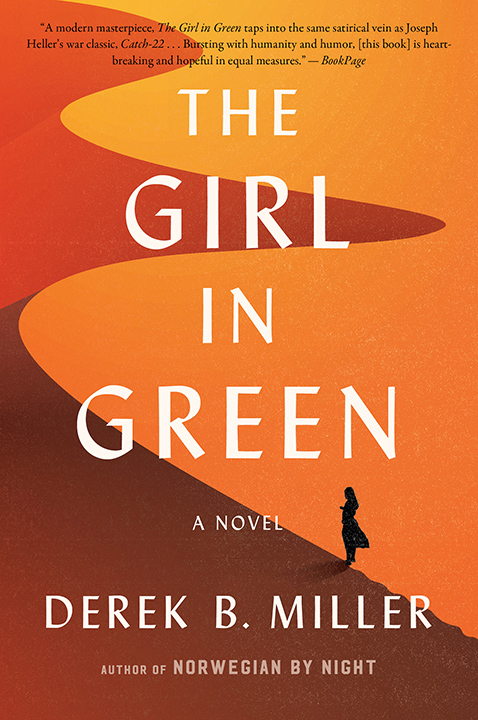
1991. One hundred miles from the Kuwaiti border, Thomas Benton meets Arwood Hobbes. Benton is a British journalist who is starting an ambitious career reporting from war zones, resulting in the estrangement of his wife and daughter; Arwood is a naive small-town American private bored out of his skull waiting for something—anything—to happen. Desert Storm is over, peace has been declared, but as they argue about whether it makes sense to cross the nearest border in search of an ice cream, they become embroiled in a horrific attack in which a young local girl in a green dress is killed as they are trying to protect her.
read more
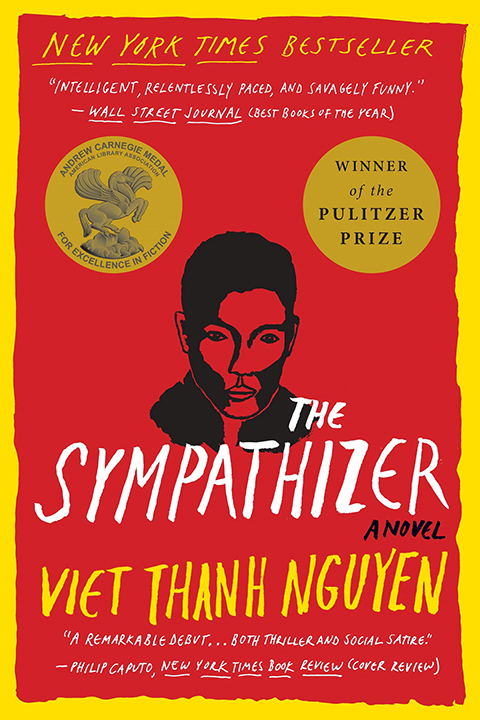
Winner of the Pulitzer Prize
A profound, startling, and beautifully crafted debut novel, The Sympathizer is the story of a man of two minds, someone whose political beliefs clash with his individual loyalties. In dialogue with but diametrically opposed to the narratives of the Vietnam War that have preceded it, this novel offers an important and unfamiliar new perspective on the war: that of a conflicted communist sympathizer.
It is April 1975, and Saigon is in chaos. At his villa, a general of the South Vietnamese army is drinking whiskey and, with the help of his trusted captain,
read more
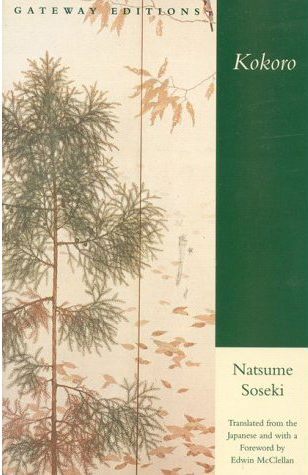
Hailed by The New Yorker as “rich in understanding and insight,” Kokoro—“the heart of things”—is the work of one of Japan’s most popular authors. This thought-provoking trilogy of stories explores the very essence of loneliness and stands as a stirring introduction to modern Japanese literature.
read more