NEW YORK TIMES BESTSELLER
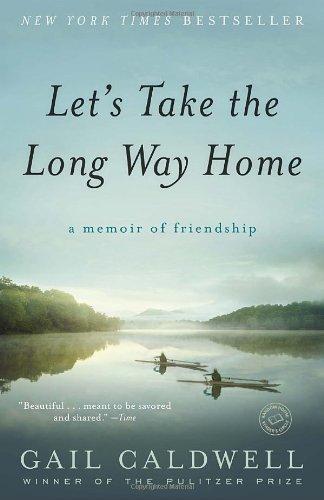
They met over their dogs. Gail Caldwell and Caroline Knapp (author of Drinking: A Love Story) became best friends, talking about everything from their love of books and their shared history of a struggle with alcohol to their relationships with men. Walking the woods of New England and rowing on the Charles River, these two private, self-reliant women created an attachment more profound than either of them could ever have foreseen. Then, several years into this remarkable connection, Knapp was diagnosed with cancer. With her signature exquisite prose,
read more
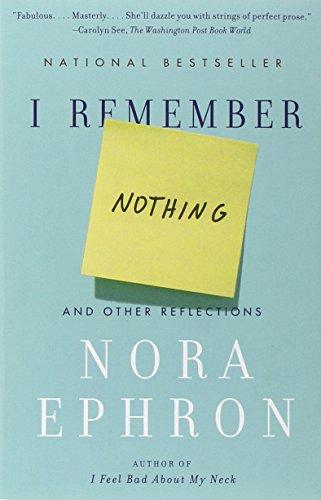
Nora Ephron returns with her first book since the astounding success of I Feel Bad About My Neck, taking a cool, hard, hilarious look at the past, the present, and the future, bemoaning the vicissitudes of modern life, and recalling with her signature clarity and wisdom everything she hasn’t (yet) forgotten.
Ephron writes about falling hard for a way of life (“Journalism: A Love Story”) and about breaking up even harder with the men in her life (“The D Word”); lists “Twenty-five Things People Have a Shocking Capacity to Be Surprised by Over and Over Again”
read more
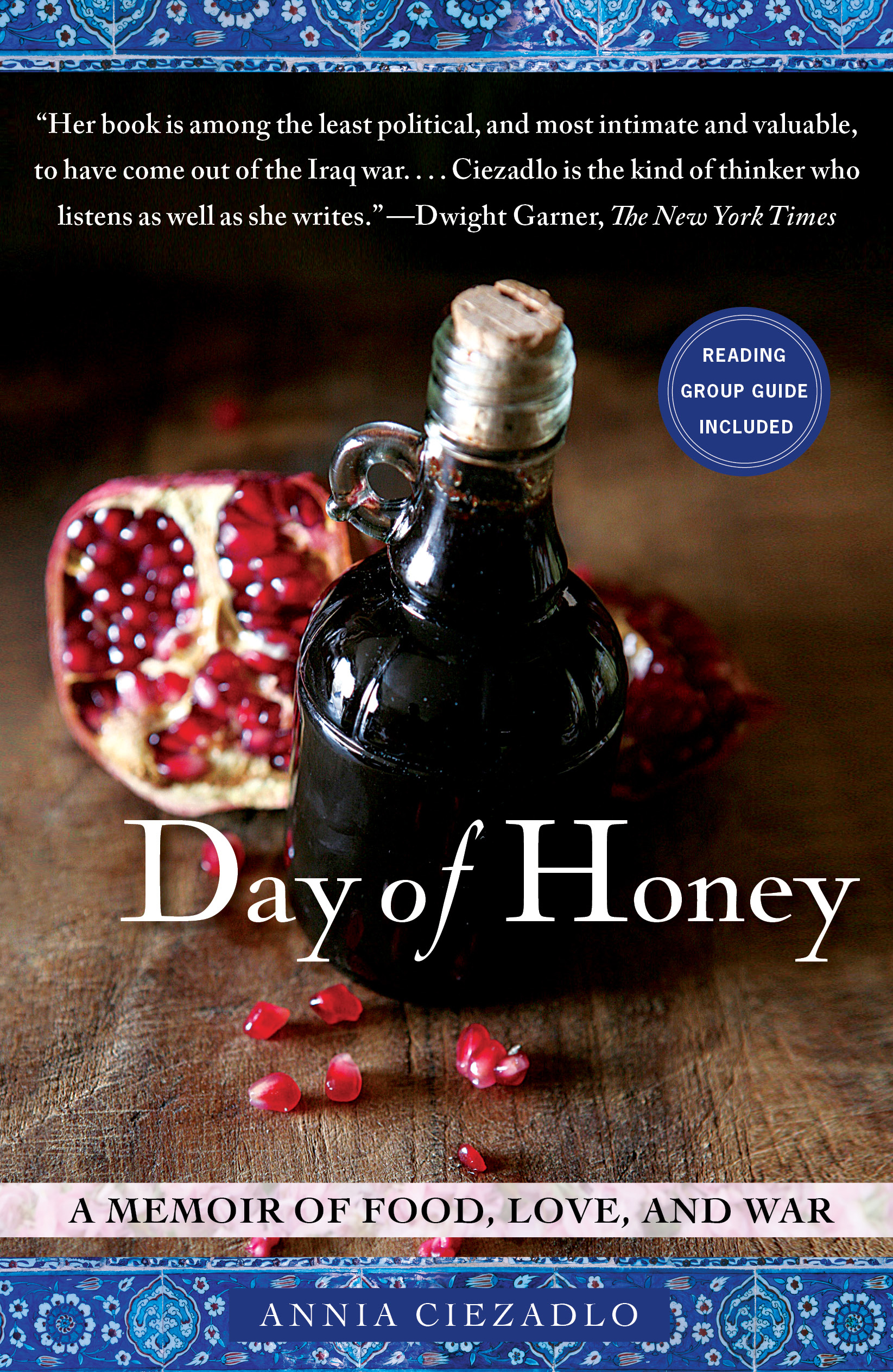
In the fall of 2003, Annia Ciezadlo spent her honeymoon in Baghdad. Over the next six years, while living in Baghdad and Beirut, she broke bread with Shiites and Sunnis, warlords and refugees, matriarchs and mullahs. Day of Honey is her memoir of the hunger for food and friendship—a communion that feeds the soul as much as the body in times of war. Reporting from occupied Baghdad, Ciezadlo longs for normal married life. She finds it in Beirut, her husband’s hometown, a city slowly recovering from years of civil war. But just as the young couple settles into a new home,
read more
Single, thirtysomething, working as a writer in New York City, Kristin Kimball was living life as an adventure. But she was beginning to feel a sense of longing for a family and for home. When she interviewed a dynamic young farmer, her world changed. Kristin knew nothing about growing vegetables, let alone raising pigs and cattle and driving horses. But on an impulse, smitten, if not yet in love, she shed her city self and moved to five hundred acres near Lake Champlain to start a new farm with him. The Dirty Life is the captivating chronicle of their first year on Essex Farm,
read more
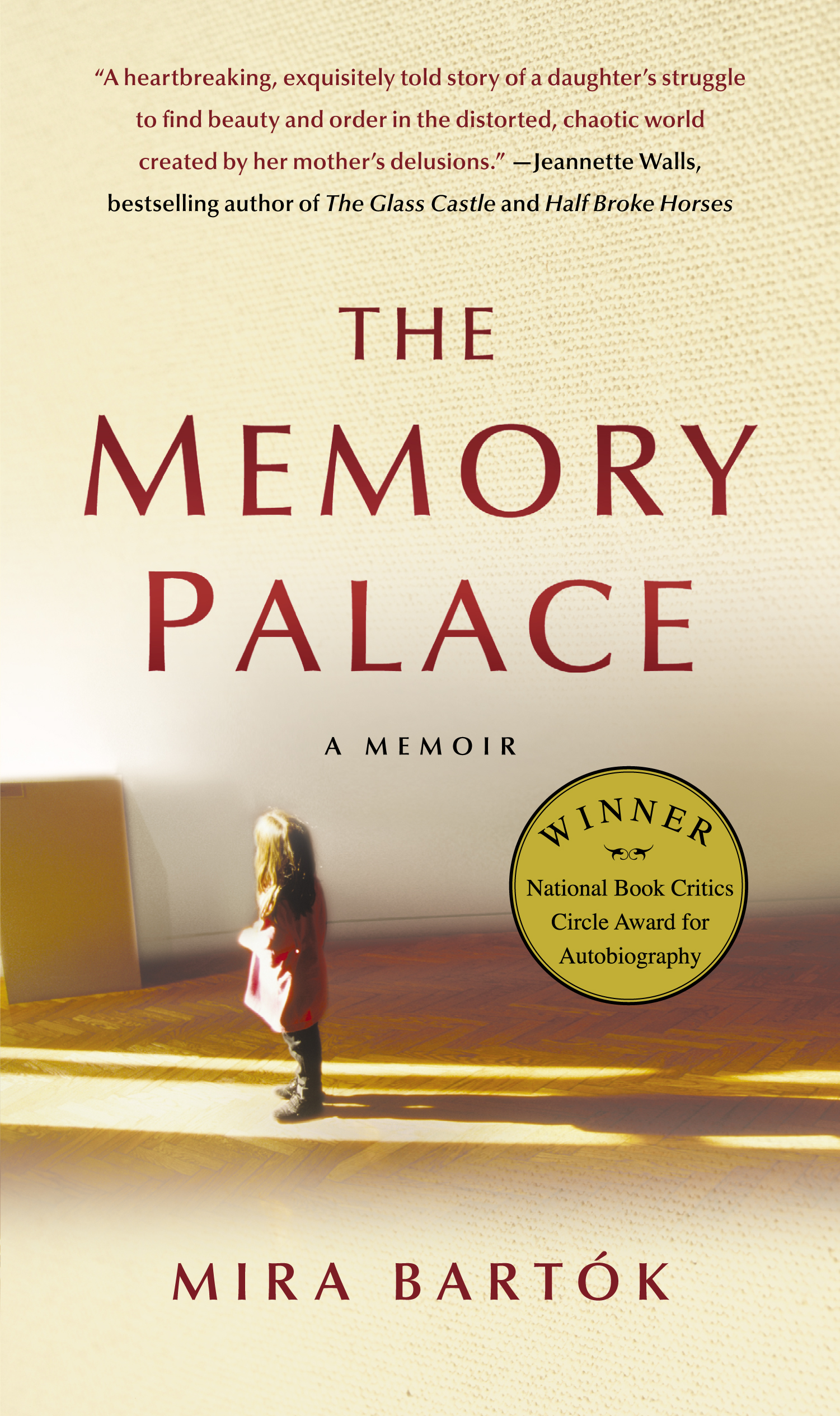
“People have abandoned their loved ones for much less than you’ve been through,” Mira Bartók is told at her mother’s memorial service. It is a poignant observation about the relationship between Mira, her sister, and their mentally ill mother. Before she was struck with schizophrenia at the age of nineteen, beautiful piano protégé Norma Herr had been the most vibrant personality in the room. She loved her daughters and did her best to raise them well, but as her mental state deteriorated, Norma spoke less about Chopin and more about Nazis and her fear that her daughters would be kidnapped,
read more
This
is the story of Kate and Michael. He was a sweet young boy, neglected by his
birth mother and now living with his dad.
Michael’s
father, Kate’s boyfriend, allowed Kate to become Michael’s mother—to care for
him and help raise him and to blossom in her unexpected new role. But when they
split up after six years, despite his early assurances to the contrary, the
father refused Kate access to the child. She had no rights. She was devastated.
read more