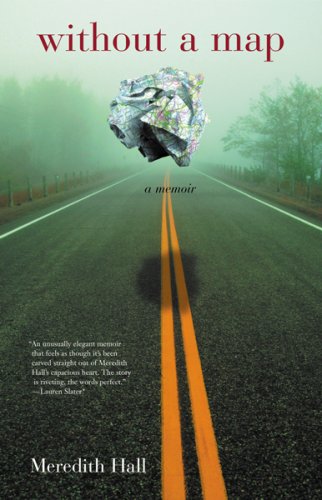
Meredith Hall’s moving but unsentimental memoir begins in 1965, when she becomes pregnant at sixteen. Shunned by her insular New Hampshire community, she is then kicked out of the house by her mother. Her father and stepmother reluctantly take her in, hiding her before they finally banish her altogether. After giving her baby up for adoption, Hall wanders recklessly through the Middle East, where she survives by selling her possessions and finally her blood. She returns to New England and stitches together a life that encircles her silenced and invisible grief. When he is twenty-one, her lost son finds her.
read more
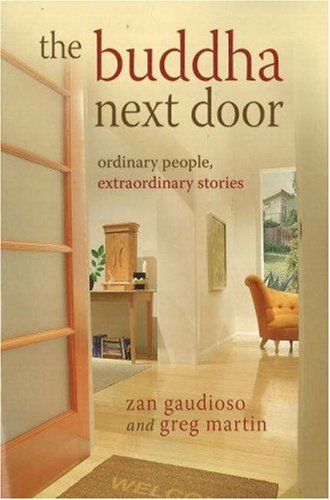
Through more than 100 personal experiences, this anthology illuminates how the practice of Nichiren Buddhism has changed people’s lives for the better. These first-person narratives—representing folks from all across the country of various ages and ethnic backgrounds—examine the challenges of daily life associated with health, relationships, career, and aging, and the ensuing experiences of hope, success, inspiration, and personal enlightenment that come about as a result of living as Nichiren Buddhists.
read more
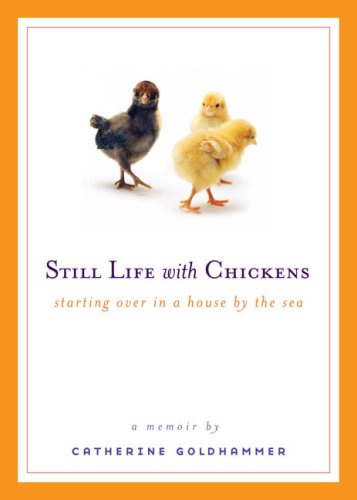
In this lovely, unconventional, and often funny memoir, Catherine Goldhammer wakes in middle age to find herself stunned, newly separated, and several tax brackets poorer, forced by circumstance to move from the affluent New England suburb of her daughter’s childhood into a new, more rustic life by the sea. Against all logic, partly to please her daughter and partly for reasons not clear to her at the time, she begins this yars of transition by purchasing six baby chickens—whose job, she comes to suspect, is to pull her and her daughter forward, out of one life and into another.
As she gradually transforms her new home—with its tawdry exterior but radiant soul—tile by tile,
read more
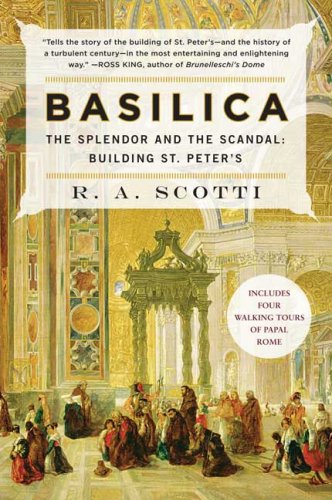
Covering nearly four acres and soaring 425 feet at its highest point, St. Peter’s Basilica is both a monument to the glory of God and a testament to the genius, ambition, and will of men. R. A. Scotti’s Basilica chronicles the epic construction effort behind this architectural treasure.
Pope Julius II—who took both his name and his disposition from the Roman emperor—conceived St. Peter’s at the height of the Renaissance to replace Constantine’s fourth-century basilica. It was completed some 150 years later during the Baroque papacy of Alexander VII. Along the way, the printing press revolutionized mass communication,
read more
Nature or nurture? Which can best explain the differences between male and female interactions—from the intensity of female friendships to the laws of sexual attraction? Bringing a fascinating new voice to the debates that affect relationships, parenting, and even workplace conflicts, pioneering neuropsychiatrist Louann Brizendine, M.D., delivers the latest findings about the physiology behind a woman’s mind. Explaining both the structure of the female brain as well as the intricate hormonal dance that unfolds throughout a lifetime, Dr. Brizendine distills essential truths and dismisses harmful myths. Brimming with eye-opening facts, The Female Brain presents a remarkable tour of the innate distinctions between male and female impulses.
read more
The United States of Arugula is the story of an American revolution—the dramatic culinary changes that brought robust international flavors to a table formerly piled high with bland meat and potatoes. Who was behind this transformation, bringing salsa to the typical American pantry and sushi to chain grocery stores? When did macaroni become “pasta,” while celebrity chefs and organic produce became part of our household vocabularies?
A thrilling ride through decades of innovation and food politics, The United States of Arugula delivers a wickedly entertaining history of these cultural sea changes,
read more