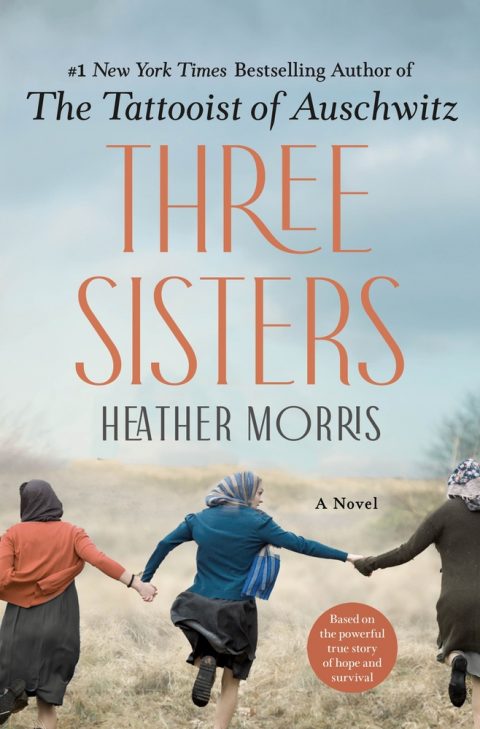
From Heather Morris, the New York Times bestselling author of the multi-million copy bestseller The Tattooist of Auschwitz and Cilka’s Journey: a story of family, courage, and resilience, inspired by a true story.
Against all odds, three Slovakian sisters have survived years of imprisonment in the most notorious death camp in Nazi Germany: Auschwitz. Livia, Magda, and Cibi have clung together, nearly died from starvation and overwork, and the brutal whims of the guards in this place of horror. But now, the allies are closing in and the sisters have one last hurdle to face: the death march from Auschwitz,
read more
The first novel in a captivating three-book series about modern womanhood, in which a young Black woman must rely on courage, laughter, and love—and the support of her two longtime friends—to overcome an unexpected setback that threatens the most precious thing she’s ever wanted.
Tabitha Walker is a black woman with a plan to “have it all.” At 33 years old, the checklist for the life of her dreams is well underway. Education? Check. Good job? Check. Down payment for a nice house? Check. Dating marriage material? Check, check, and check. With a coveted position as a local news reporter,
read more
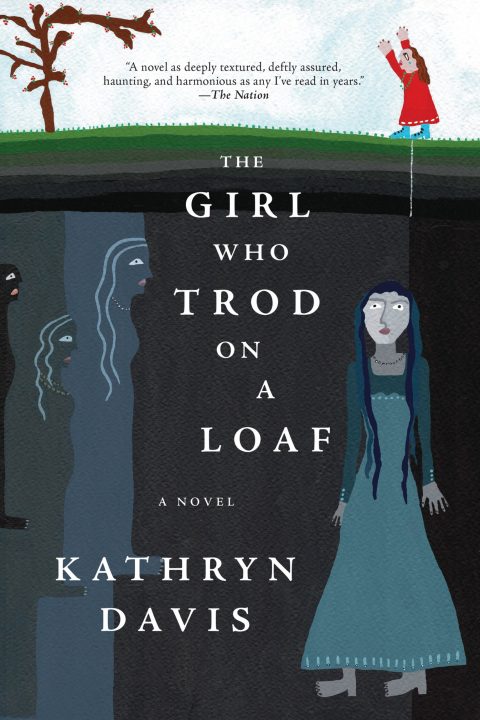
In Kathryn Davis’s second novel, Frances Thorn, waitress and single parent of twins, finds herself transformed by the dazzling magnetism of Helle Ten Brix, an elderly Danish composer of operas. At the heart of what binds them is “The Girl Who Trod on a Loaf,” the Hans Christian Andersen tale of a prideful girl who, in order to spare her new shoes, uses the loaf of bread intended as a gift for her parents as a stepping-stone, and ends up sinking to the bottom of a bog. Helle’s final opera, based on this tale and unfinished at the time of her death,
read more
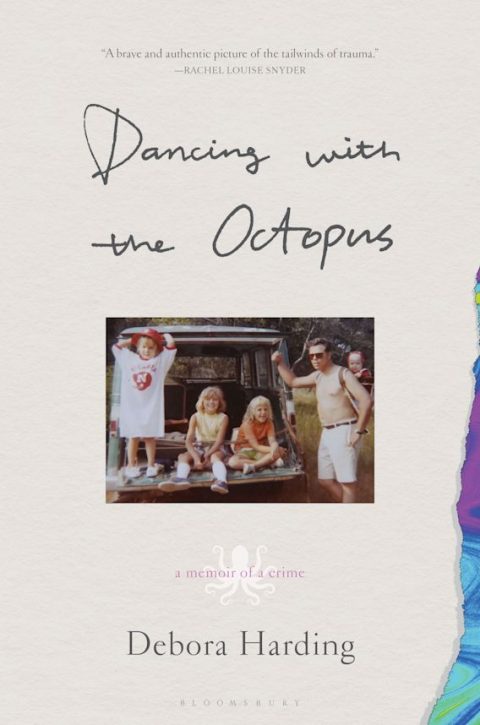
Named one of the Best True Crime Books by Marie Claire, Dancing with the Octopus is a harrowing, redemptive and profoundly inspiring memoir of childhood trauma and its long reach into adulthood.
One Omaha winter day in November 1978, when Debora Harding was just fourteen, she was abducted at knifepoint from a church parking lot. She was thrown into a van, assaulted, held for ransom, and then left to die as an ice storm descended over the city.
Debora survived. She identified her attacker to the police and then returned to her teenage life in a dysfunctional home where she was expected to simply move on.
read more
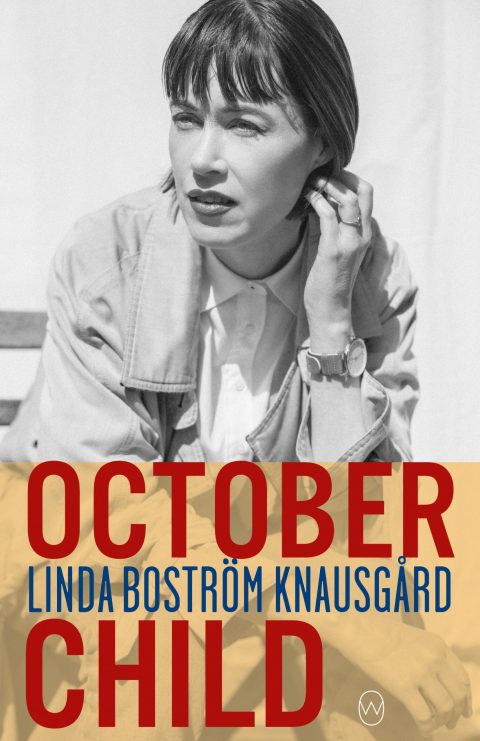
From 2013 to 2017, Linda Boström Knausgård was periodically interned in a psychiatric ward where she was subjected to electroconvulsive therapy. As the treatments at this “factory” progressed, the writer’s memories began to disappear. What good is a writer without her memory? This novel, based on the author’s experiences, is an eloquent and profound attempt to hold on to the past, to create a story, to make sense, and to keep alive ties to family, friends, and even oneself. Moments from childhood, youth, marriage, parenting, and divorce flicker across the pages of October Child. This is the story of one woman’s struggle against mental illness and isolation.
read more
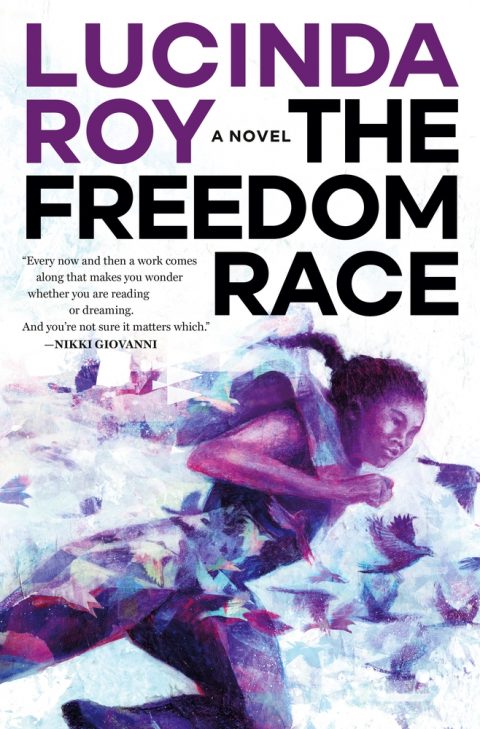
The second Civil War, the Sequel, came and went in the United States leaving radiation, sickness, and fractures too deep to mend. One faction, the Homestead Territories, dealt with the devastation by recruiting immigrants from Africa and beginning a new slave trade while the other two factions stood by and watched.
Ji-ji Lottermule was bred and raised in captivity on one of the plantations in the Homestead Territories of the Disunited States to serve and breed more “muleseeds.” There is only one way out—the annual Freedom Race. First prize, freedom.
An underground movement has plans to free Ji-ji,
read more