In the ruins of a place once known as North America lies the nation of Panem, a shining Capitol surrounded by twelve outlying districts. Long ago the districts waged war on the Capitol and were defeated. As part of the surrender terms, each district agreed to send one boy and one girl to appear in an annual televised event called, “The Hunger Games,” a fight to the death on live TV. Sixteen-year-old Katniss Everdeen, who lives alone with her mother and younger sister, regards it as a death sentence when she is forced to represent her district in the Games.
read more
Stanley Yelnats is under a curse. A curse that began with his no-good-dirty-rotten-pig-stealing-great-great-grandfather and has since followed generations of Yelnats. Now Stanley has been unjustly sent to a boys’ detention center, Camp Green Lake, where the warden makes the boys “build character” by spending all day, every day, digging holes: five feet wide and five feet deep. It doesn’t take long for Stanley to realize there’s more than character improvement going on at Camp Green Lake. The boys are digging holes because the warden is looking for something. Stanley tries to dig up the truth in this inventive and darkly humorous tale of crime and punishment—and redemption.
read more
When the two-time National Book Award finalist Melissa Fay Greene confided to friends that she and her husband planned to adopt a four-year-old boy from Bulgaria to add to their four children at home, the news threatened to place her, she writes, “among the greats: the Kennedys, the McCaughey septuplets, the von Trapp family singers, and perhaps even Mrs. Feodor Vassilyev, who, according to the Guinness Book of World Records, gave birth to sixty-nine children in eighteenth-century Russia.”
Greene is best known for her books on the civil rights movement and the African HIV/AIDS pandemic.
read more
In the fall of 1968, Melissa Coleman’s parents pack their VW truck and set out to forge a new existence on a rugged coastal homestead. Inspired by Helen and Scott Nearing, authors of the homesteading bible Living the Good Life, Eliot and Sue build their own home by hand, live off the crops they grow, and establish a happy family with Melissa and her two sisters. They also attract national media and become icons of the back-to-the-land farming movement, but the pursuit of a purer, simpler life comes at a price. In the wake of a tragic accident,
read more
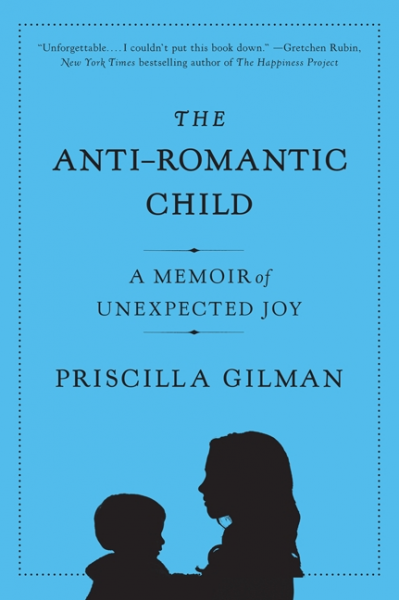
Priscilla Gilman, a teacher of romantic poetry who embraced Wordsworth’s vision of childhood’s spontaneous wonder, eagerly anticipated the birth of her first child, certain that he would come “trailing clouds of glory.” But as Benjamin grew, his remarkable precocity was associated with a developmental disorder that would dramatically alter the course of Priscilla’s dreams.
In The Anti-Romantic Child, a memoir full of lyricism and light, Gilman explores our hopes and expectations for our children, our families, and ourselves—and the ways in which experience may lead us to re-imagine them. Using literature as a touchstone, Gilman reveals her journey through crisis to joy,
read more
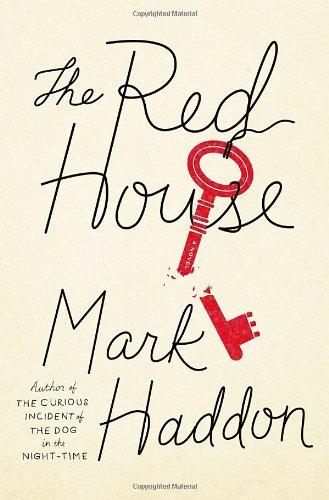
After his mother’s death, Richard, a newly remarried hospital consultant, decides to build bridges with his estranged sister, Angela, inviting her and her family for a week in a rented house on the Welsh border. Four adults and four children, a single family and all of them strangers. Seven days of shared meals, log fires, card games and wet walks. But in the quiet and stillness of the valley, ghosts begin to rise up. The parents Richard thought he had; the parents Angela thought she had. Past and present lovers. Friends, enemies, victims, saviors. And from high on the dark hill,
read more