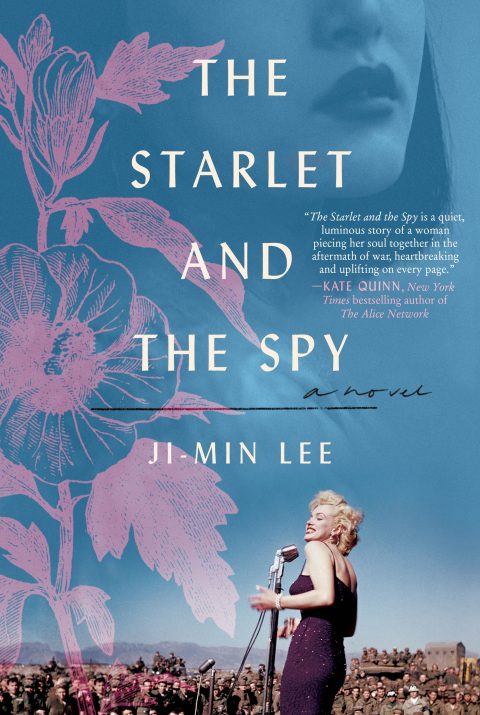
A dazzling work of historical fiction, based on true events, about two women who seem the most unlikely to ever meet: Alice, a Korean war survivor and translator for the American forces in Seoul and Marilyn Monroe, who is visiting Korea on a four-day USO tour.
February 1954. Although the Korean War armistice was signed a year ago, most citizens of Seoul still battle to return to some semblance of normalcy. Conditions are dismal. Children beg for food, and orphanages are teeming. Alice J. Kim, a Korean translator and typist for the American forces still sanctioned in the city,
read more
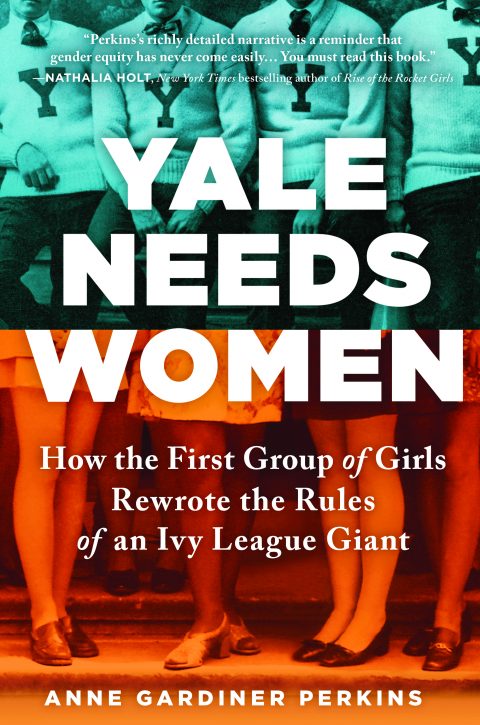
In the summer of 1969, Yale University, the Ivy League institution dedicated to graduating “one thousand male leaders” each year finally decided to open its doors to the nation’s top female students. The landmark decision was a huge step forward for women’s equality in education.
Or was it?
The experience the first undergraduate women found when they stepped onto Yale’s imposing campus was not the same one their male peers enjoyed. Isolated from one another, singled out as oddities and sexual objects, and barred from many of the privileges an elite education was supposed to offer,
read more
What God Is Honored Here? is the first book of its kind—and urgently necessary. This is a literary collection of voices of Indigenous women and women of color who have undergone miscarriage and infant loss, experiences that disproportionately affect women who have often been cast toward the margins in the United States of America.
In its heartbreaking beauty, this book offers an integral perspective on how culture and religion, spirit and body, unite in the reproductive lives of women of color and Indigenous women as they bear witness to loss, search for what is not there,
read more
Jeannie Vanasco has had the same nightmare since she was a teenager. She startles awake, saying his name. It is always about him: one of her closest high school friends, a boy named Mark. A boy who raped her.
When her nightmares worsen, Jeannie decides―after fourteen years of silence―to reach out to Mark. He agrees to talk on the record and meet in person. “It’s the least I can do,” he says.
Jeannie details her friendship with Mark before and after the assault, asking the brave and urgent question: Is it possible for a good person to commit a terrible act?
read more
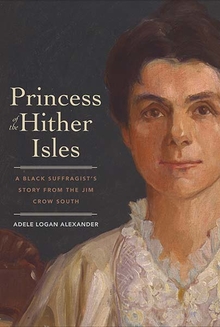
A compelling reconstruction of the life of a black suffragist.
Born during the Civil War into a slave-holding family that included black, white, and Cherokee forebears, Adella Hunt Logan dedicated herself to advancing political and educational opportunities for the African American community. She taught at Alabama’s Tuskegee Institute, but also joined the segregated woman suffrage movement, passing for white in order to fight for the rights of people of color. As a wife, mother, scholar, and activist, Adella’s determination to challenge the draconian restraints of race and gender generated conflicts that precipitated her tragic demise.
Historian Adele Logan Alexander—Adella’s granddaughter—bridges the chasms that frustrate efforts to document the lives of those who traditionally have been silenced,
read more
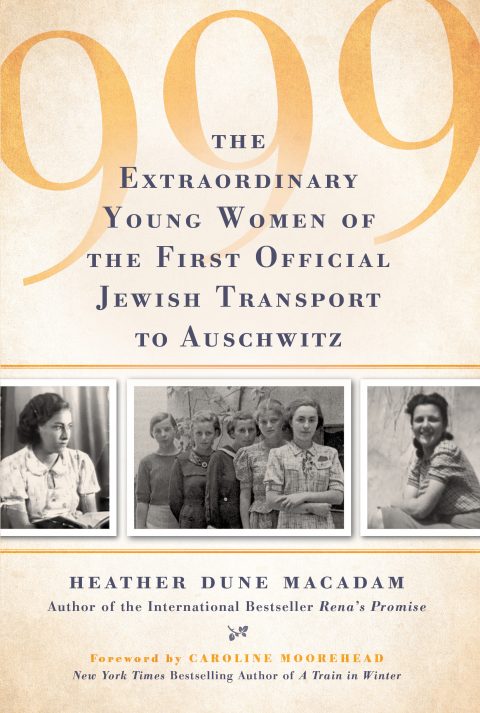
From Heather Dune Macadam, the untold story of the 999 young, unmarried Jewish women who were tricked on March 25, 1942 into boarding the train that became the first official transport to Auschwitz. Timed to coincide with the 75th anniversary of the liberation of Auschwitz and drawing on extensive interviews with survivors, historians, witnesses, and relatives of those first deportees, 999 is an important addition to Holocaust literature and women’s history.
On March 25, 1942, nearly a thousand young, unmarried Jewish women boarded a train in Poprad, Slovakia. Believing they were going to work in a factory for a few months,
read more