A BEA Buzz Book Selection and one of the most daring literary debuts of the season, a profound and propulsive novel from an urgent new voice in American fiction.
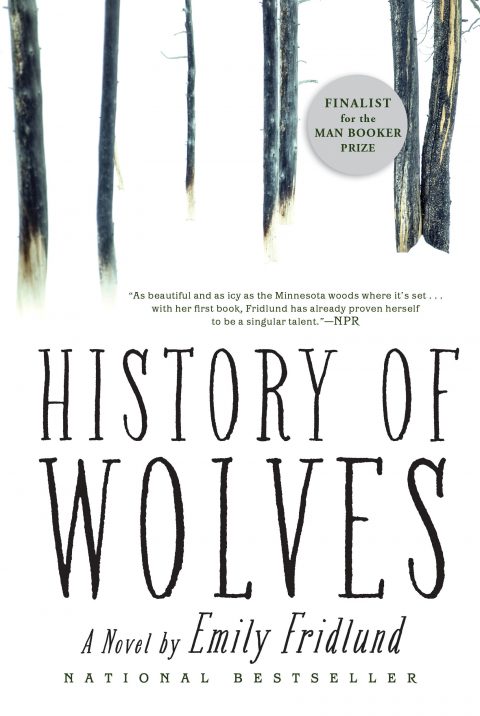
Teenage Linda lives with her parents in the austere woods of northern Minnesota, where their nearly abandoned commune stands as a last vestige of a lost counter-culture world. Isolated at home and an outsider at school, Linda is drawn to the enigmatic, attractive Lily and new history teacher Mr. Grierson. When Mr. Grierson is faced with child pornography charges, his arrest deeply affects Linda as she wrestles with her own fledgling desires and craving to belong.
read more
Winner of The Restless Books Prize for New Immigrant Writing
“Guest workers of the United Arab Emirates embody multiple worlds and identities and long for home in a fantastical debut work of fiction, winner of the inaugural Restless Books Prize for New Immigrant Writing…The author’s crisp, imaginative prose packs a punch, and his whimsical depiction of characters who oscillate between two lands on either side of the Arabian Sea unspools the kind of immigrant narratives that are rarely told. An enchanting, unparalleled anthem of displacement and repatriation.”—Kirkus Reviews,
read more
From a dazzling new literary voice, a debut novel about a Palestinian family caught between present and past, between displacement and home.
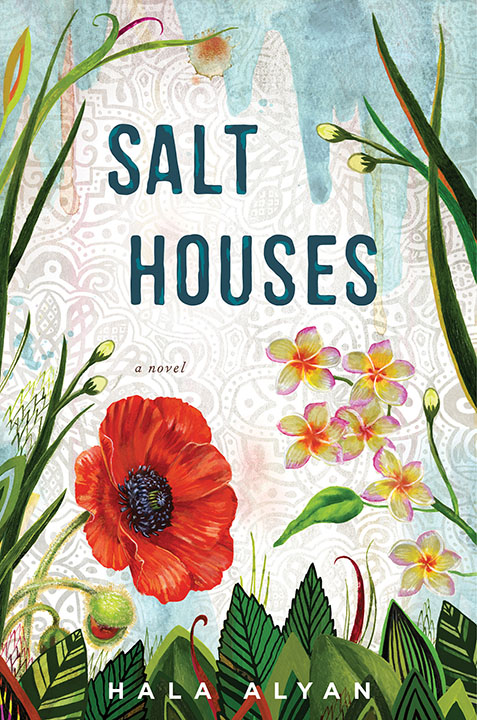
On the eve of her daughter Alia’s wedding, Salma reads the girl’s future in a cup of coffee dregs. She sees an unsettled life for Alia and her children; she also sees travel, and luck. While she chooses to keep her predictions to herself that day, they will all soon come to pass when the family is uprooted in the wake of the Six-Day War of 1967.
Salma is forced to leave her home in Nablus;
read more
Determined to survive the crisis she’s sure is imminent, Bex is at a loss when her world collapses in the one way she hasn’t planned for.
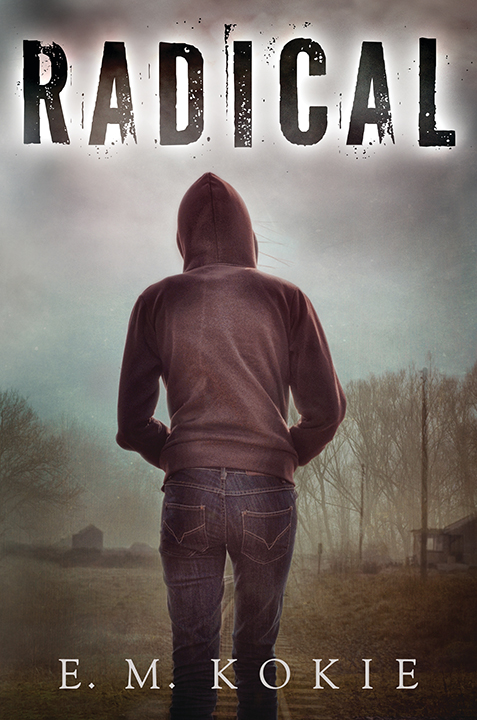
Preppers. Survivalists. Bex prefers to think of herself as a realist who plans to survive, but regardless of labels, they’re all sure of the same thing: a crisis is coming. And when it does, Bex will be ready. She’s planned exactly what to pack, she knows how to handle a gun, and she’ll drag her family to safety by force if necessary. When her older brother discovers Clearview, a group that takes survival just as seriously as she does,
read more
A singularly compelling debut novel, about a desert where people go to escape their past, and a truck driver who finds himself at risk when he falls in love with a mysterious woman.
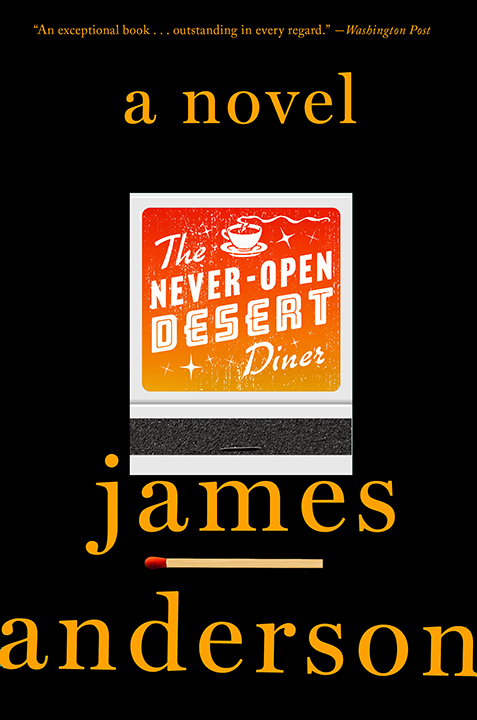
Ben Jones lives a quiet, hardscrabble life, working as a trucker on Route 117, a little-travelled road in a remote region of the Utah desert which serves as a haven for fugitives and others looking to hide from the world. For many of the desert’s inhabitants, Ben’s visits are their only contact with the outside world, and the only landmark worth noting is a once-famous roadside diner that hasn’t opened in years.
read more
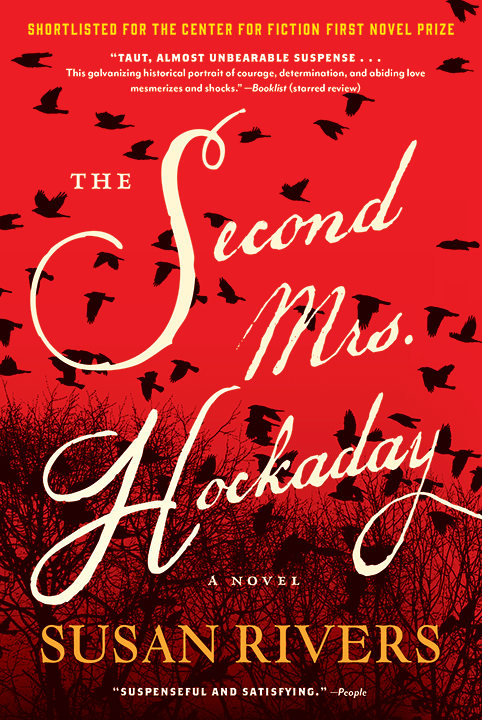
Shortlisted for the Center for Fiction First Novel Prize
When Major Gryffth Hockaday is called to the front lines of the Civil War, his new bride is left to care for her husband’s three-hundred-acre farm and infant son. Placidia, a mere teenager herself, living far from her family and completely unprepared to run a farm or raise a child, must endure the darkest days of the war on her own. By the time Major Hockaday returns two years later, Placidia is bound for jail, accused of having borne a child in his absence and murdering it.
read more