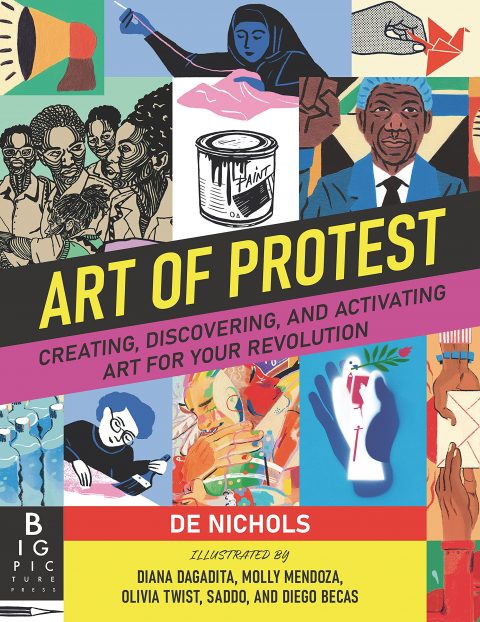
From the psychedelic typography used in “Make Love Not War” posters of the ’60s to the solitary raised fist, some of the most memorable and striking protest artwork from across the world and throughout history deserves a long, hard look. Readers can explore each piece of art to understand how color, symbolism, technique, and typography play an important role in communication. Guided by activist, lecturer, and speaker De Nichols’s powerful narrative and stunningly illustrated by a collaboration of young artists, this volume also has plenty of tips and ideas for creating your own revolutionary designs. This is a fully comprehensive look at the art of protest.
read more
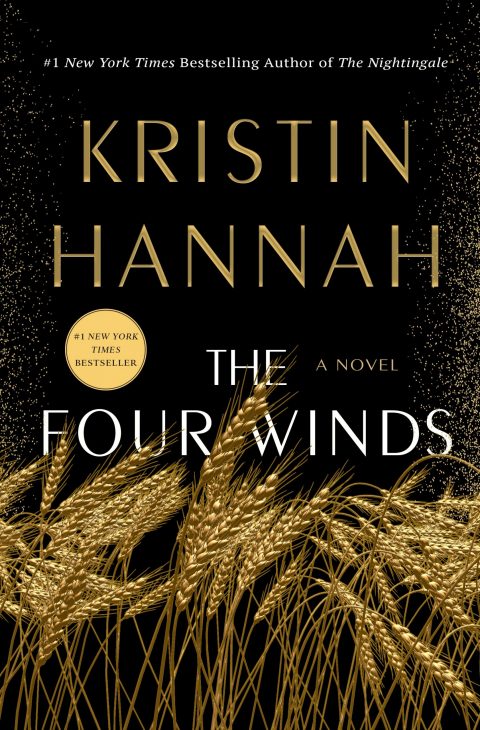
From the number-one bestselling author of The Nightingale and The Great Alone comes a powerful American epic about love and heroism and hope, set during the Great Depression, a time when the country was in crisis and at war with itself, when millions were out of work and even the land seemed to have turned against them.
“My land tells its story if you listen. The story of our family.”
Texas, 1921. A time of abundance. The Great War is over, the bounty of the land is plentiful,
read more
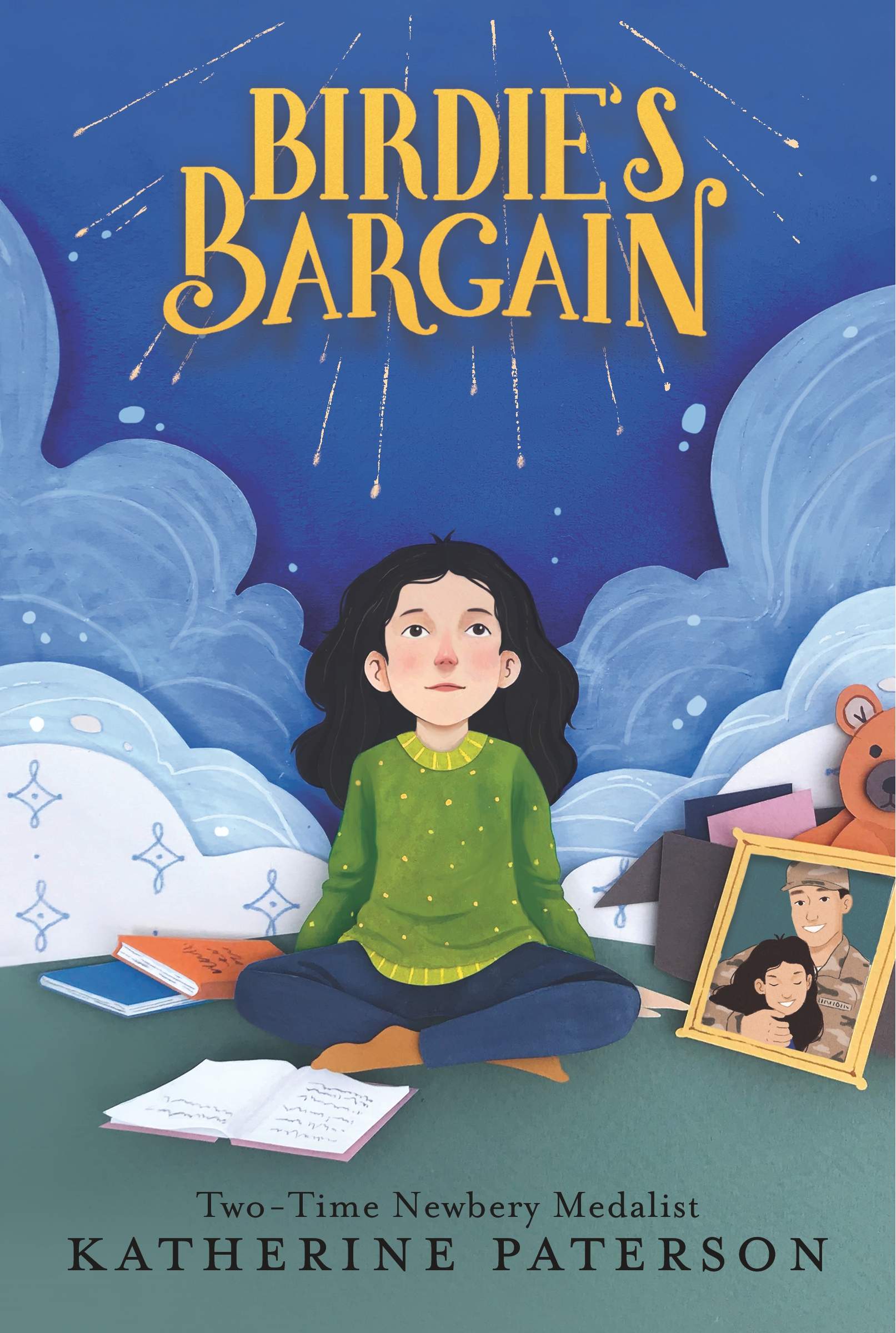
Birdie has questions for God. For starters, why couldn’t God roll history back to September 10, 2001, and fix things—so the next day was an ordinary sunny day and not the devastating lead-in to two wars? Daddy has already been to Iraq twice. Now he’s going again, and Birdie is sure he’ll die. At the very least, she won’t see him again for a year, and everything will not be OK. (Why do grown-ups lie?) To save money, she, Mom, and baby Billy have moved to Gran’s, where shy Birdie must attend a new school, and no one but bossy Alicia Marie Suggs welcomes her.
read more
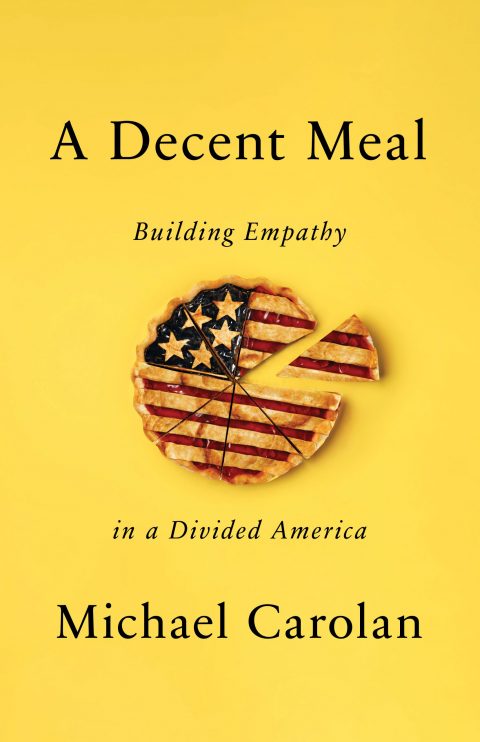
A poignant look at empathetic encounters between staunch ideological rivals, all centered around our common need for food.
While America’s new reality appears to be a deeply divided body politic, many are wondering how we can or should move forward from here. Can political or social divisiveness be healed? Is empathy among people with very little ideological common ground possible? In A Decent Meal, Michael Carolan finds answers to these fundamental questions in a series of unexpected places: around our dinner tables, along the aisles of our supermarkets, and in the fields growing our fruits and vegetables.
read more
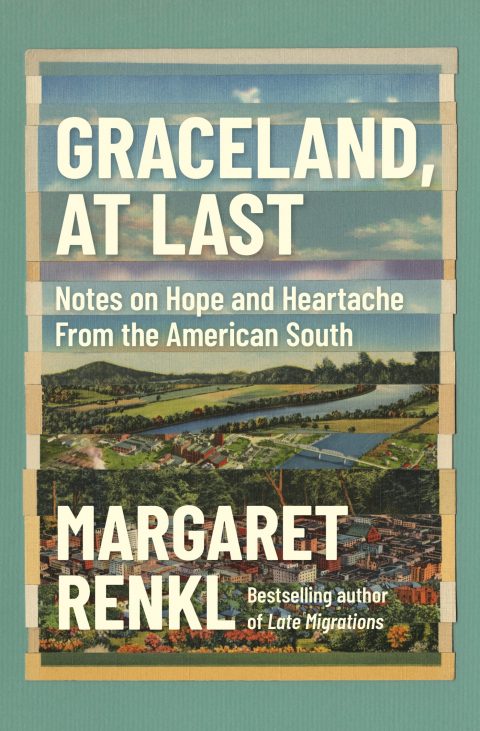
For the past four years, Margaret Renkl’s columns have offered readers of the New York Times a weekly dose of natural beauty, human decency, and persistent hope from her home in Nashville. Now more than sixty of those pieces have been brought together in this sparkling new collection.
“People have often asked me how it feels to be the ‘voice of the South,’” writes Renkl in her introduction. “But I’m not the voice of the South, and no one else is, either.” There are many Souths—red and blue, rural and urban, mountain and coast,
read more
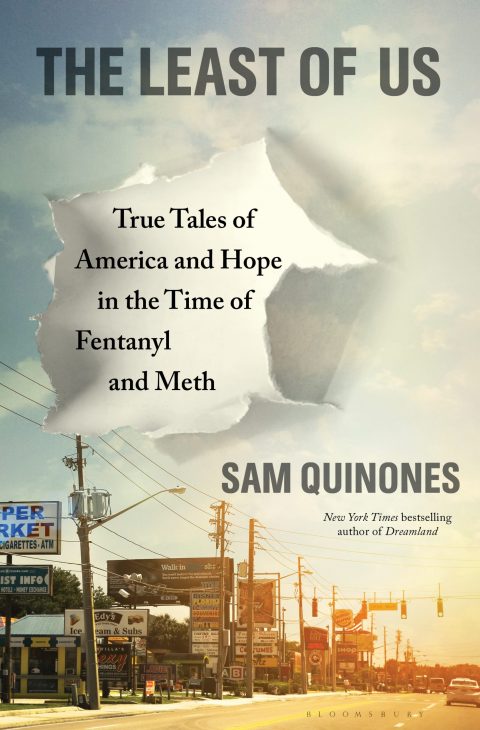
From the New York Times bestselling author of Dreamland, a searing follow-up that explores the terrifying next stages of the opioid epidemic and the quiet yet ardent stories of community repair.
Sam Quinones traveled from Mexico to main streets across the U.S. to create Dreamland, a groundbreaking portrait of the opioid epidemic that awakened the nation. As the nation struggled to put back the pieces, Quinones was among the first to see the dangers that lay ahead: synthetic drugs and a new generation of kingpins whose product could be made in Magic Bullet blenders.
read more